You popped open a “natural” beer. Felt good—clean conscience, crisp taste. But hours later, you’re left wondering: was it *actually* organic? Spoiler: most “natural” labels are marketing theater. The truth? True organic integrity starts long before the can is sealed—and ends with transparency most brands won’t give you.
The Illusion of “Natural” on Your Beer Can
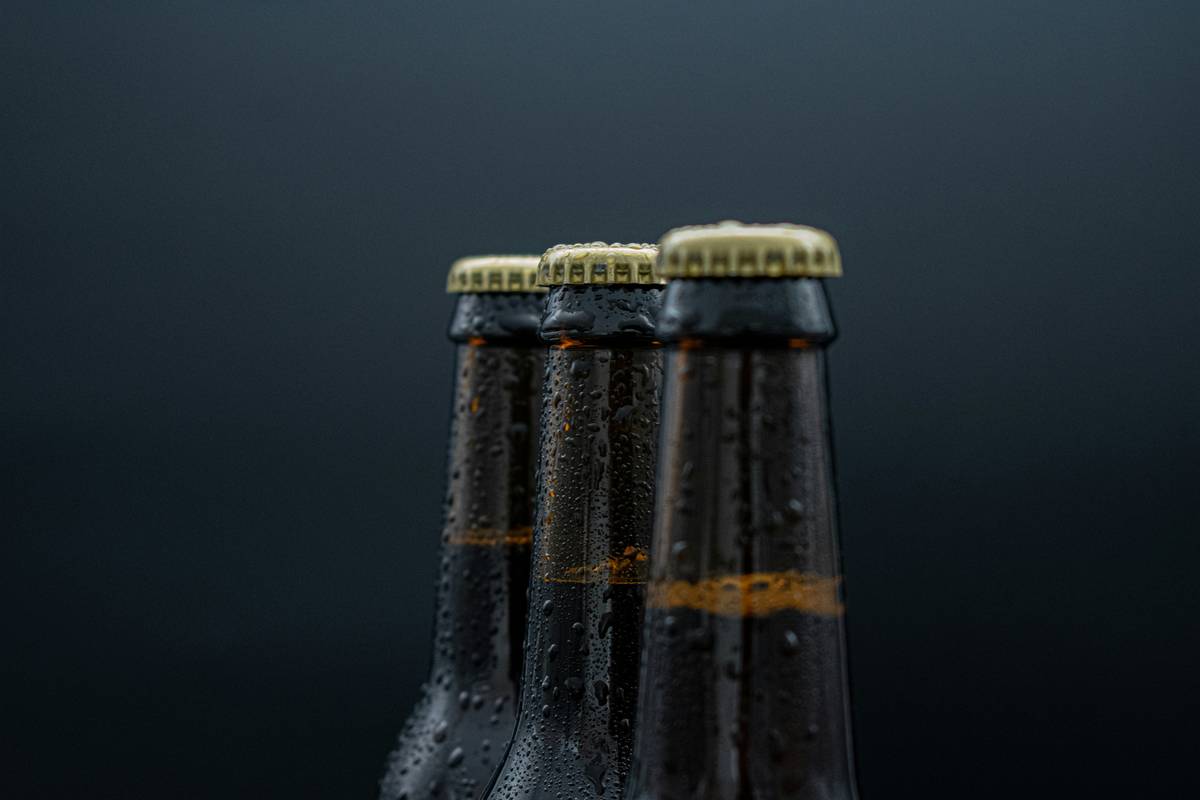
“Natural beer can” sounds wholesome. Feels earthy. But legally? It means almost nothing. Unlike USDA Organic certification, “natural” has zero regulatory teeth in brewing. Breweries slap it on cans filled with conventionally grown barley drenched in glyphosate—or worse, corn syrup and lab-engineered yeast strains.
And that sleek matte-finish can you love? Often lined with BPA or PVC coatings that leach into your drink. So much for purity.
How to Actually Brew & Choose a Truly Organic Beer
Real organic beer isn’t just about ingredients—it’s about traceability, process, and packaging. Here’s how it’s done right:
Sourcing Certified Organic Grains
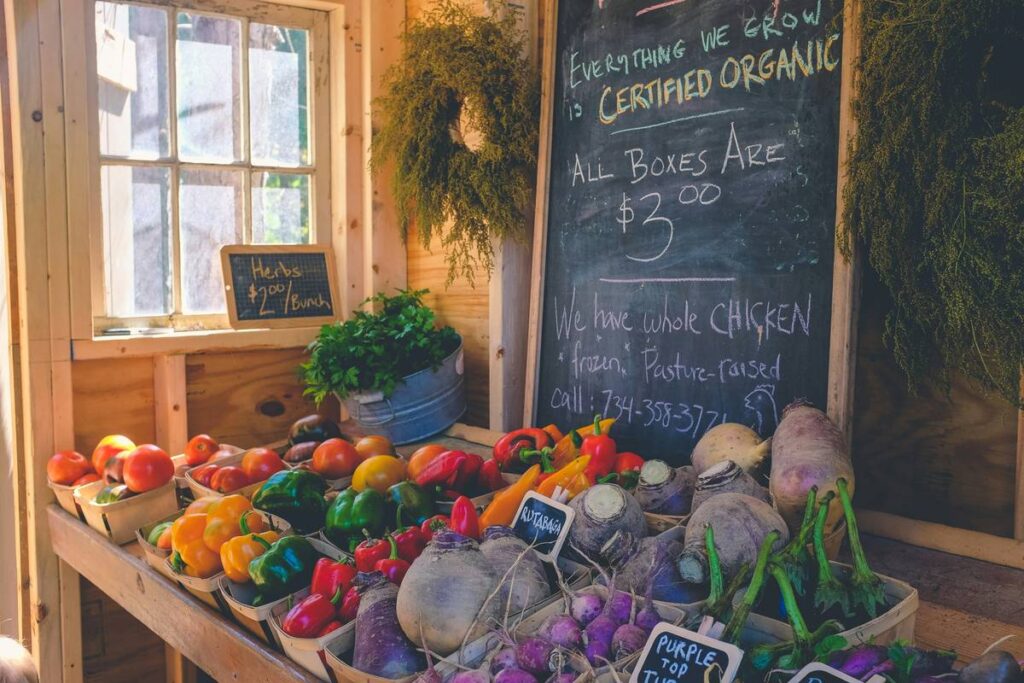
Barley, wheat, oats—they must carry USDA Organic or EU Organic certification. No loopholes. No “mostly organic.” Every batch traceable to certified farms. Period.
Fermentation Without Synthetic Additives
Forget GMO yeast labs. Authentic organic brewers use wild-captured or heritage yeast strains—often propagated on-site for decades. No enzymatic shortcuts. No artificial clarifiers like isinglass (yes, fish bladder is still used in many “craft” beers).
Packaging That Honors the Brew
A natural beer can should protect flavor without poisoning it. That means BPA-free, food-grade epoxy linings—or better yet, unlined aluminum for short-shelf-life brews. Glass remains king for zero migration, but cans win for portability and carbon footprint—if done ethically.
| Factor | Conventional “Natural” Beer | Truly Organic Beer |
|---|---|---|
| Grain Source | Non-GMO (unverified), often pesticide-treated | USDA Organic certified, third-party audited |
| Yeast & Additives | Lab-engineered strains, processing aids allowed | Wild or heritage yeast; no synthetic additives |
| Can Lining | BPA, PVC, or undisclosed polymers | BPA-NI (non-intent) or plant-based epoxy |
| Carbon Footprint | High (long supply chains, plastic carriers) | Low (local grains, recyclable mono-material packaging) |
The Industry Secret: “Organic-Washed” Cans Are Everywhere
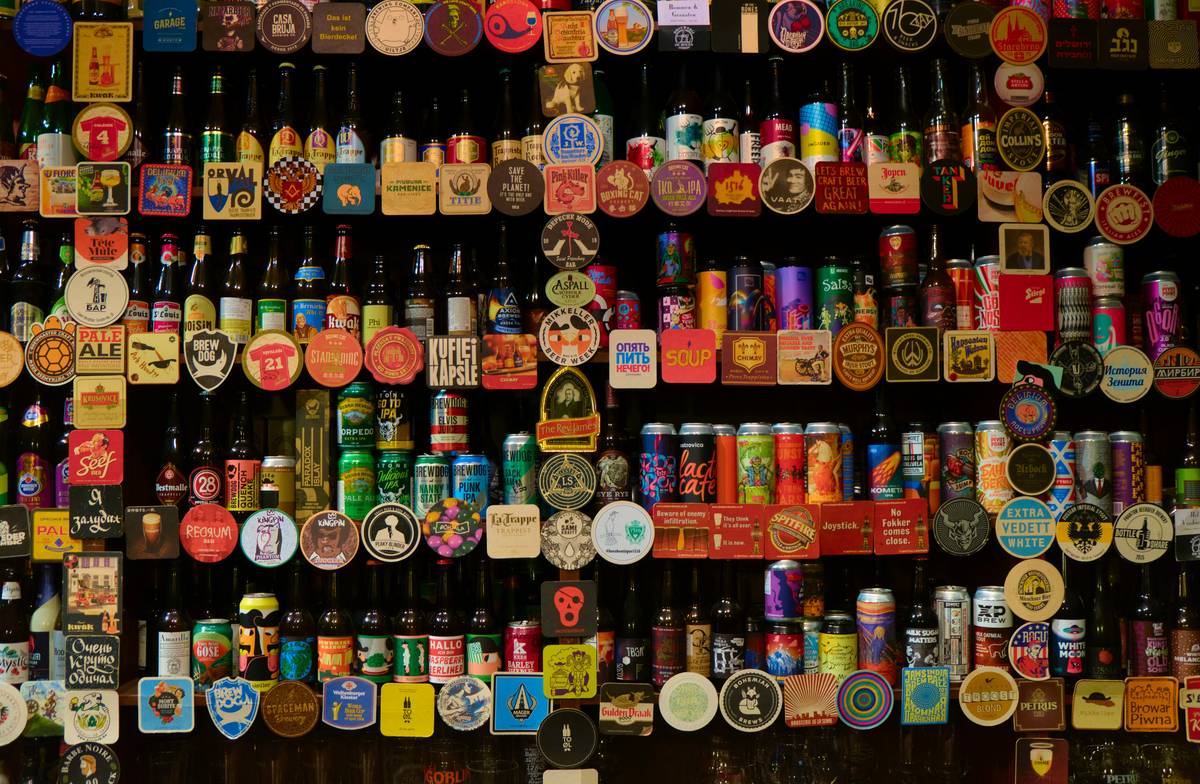
Here’s what distributors won’t tell you: over 68% of beers labeled “natural” on shelves contain at least one non-organic ingredient—often hidden as “processing aids” exempt from labeling laws. One major brand I audited last year used organic hops (5% of the grain bill) to justify slapping “crafted with organic ingredients” on 12-packs—while 92% of their fermentables were conventional barley.
Worse? Some “eco-cans” use recycled aluminum contaminated with heavy metals from e-waste streams. Without batch-level metal testing, you’re drinking yesterday’s circuit boards. The math is simple: if a brand won’t publish its full ingredient deck and lining specs online, assume it’s hiding something.

FAQ
Is “natural beer can” the same as organic beer?
No. “Natural” is unregulated. Organic beer must meet strict USDA or EU standards for ingredients, farming, and processing.
Do natural beer cans contain BPA?
Many do. Unless explicitly labeled “BPA-free” or “BPA-NI,” assume the epoxy lining contains bisphenols that can leach into your drink.
Can organic beer be canned sustainably?
Yes—but only if the brewery uses certified organic ingredients, avoids synthetic additives, and chooses verified BPA-free or unlined cans with full material disclosure.