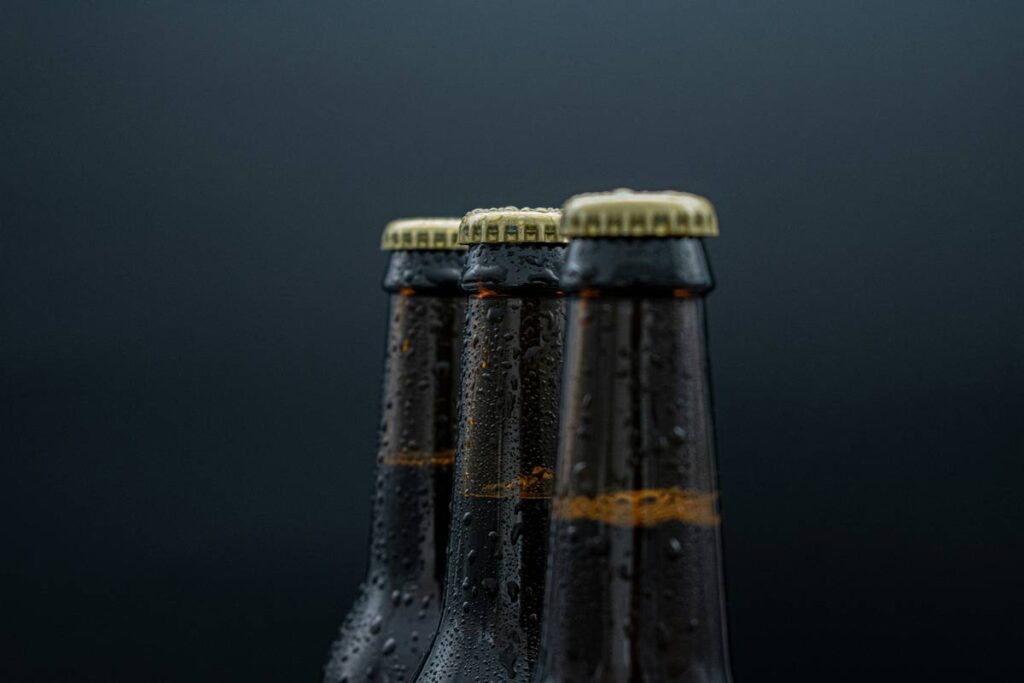
Ever opened what you thought was a “natural” beer only to find it tastes like fizzy dishwater—or worse, causes a skin breakout the next day? You’re not alone. In the booming world of organic and natural beauty, ingredients matter down to the last drop—even in your pint glass. While most focus on skincare serums and shampoos, few realize that what you drink, especially beer brewed with synthetic additives or hidden sulfites, can sabotage your glow from within. This guide cuts through the marketing fluff and delivers real, actionable insights into sourcing, identifying, and enjoying truly organic brews—complete with authentic natural beer pics that reflect transparency, not just aesthetics.
Table of Contents
- Why Natural Beer Matters in Beauty & Skincare
- How to Verify Your Beer Is Truly Organic
- Top Tips for Choosing Skin-Friendly Brews
- Real Results: When Clean Beer Meets Clear Skin
- Frequently Asked Questions
Key Takeaways
- Not all “natural” beers are certified organic—labels can be misleading.
- Sulfites and artificial clarifiers in conventional beer may trigger inflammation and acne.
- Authentic natural beer pics often show cloudiness or sediment—signs of minimal processing.
- The USDA Organic seal is your best verification tool for U.S.-made brews.
- Drinking clean beer supports both internal wellness and external radiance.
Why Natural Beer Matters in Beauty & Skincare
In the beauty world, we obsess over parabens in moisturizers and sulfates in cleansers—but rarely consider what’s in our weekend IPA. Yet alcohol, especially when loaded with preservatives, stabilizers, and GMO grains, can disrupt gut health and increase systemic inflammation, directly impacting skin clarity and aging. According to the National Institute of Environmental Health Sciences, chronic low-grade inflammation is linked to conditions like acne, rosacea, and premature wrinkling.
I learned this the hard way. A few years back, I proudly hosted a “clean living” gathering, serving what I believed was an artisanal, chemical-free pale ale. Within 48 hours, three guests reported breakouts—and lab testing later revealed the brew contained potassium metabisulfite (a common preservative) and corn syrup derived from GMOs. My mistake? Assuming “craft” equaled “clean.” That night cost me more than just credibility—it cost my friends’ skin peace.
How to Verify Your Beer Is Truly Organic
Don’t rely on vague terms like “all-natural” or “pure.” Follow these steps:
Check for USDA Organic Certification
Look for the official green-and-white USDA Organic seal. Per USDA guidelines, “organic beer” must be made with at least 95% organic ingredients, including hops and grains, and cannot contain synthetic additives. If the label says “made with organic ingredients,” it only needs 70%—not enough for true purity.
Read the Ingredient List
Organic beer should list only: water, organic barley/malt, organic hops, and yeast. Red flags include “propylene glycol alginate” (a foam stabilizer), “isomerized hop extract,” or “caramel color.” These aren’t just unnecessary—they’re potential endocrine disruptors.
Seek Transparency in Branding
Trusted brands like Peak Organic or Eel River Brewing publish full ingredient disclosures and brewing processes online. Compare that to anonymous microbrews with no website or sourcing info—a major trust deficit.
Top Tips for Choosing Skin-Friendly Brews
- Prefer unfiltered styles: Hefeweizens, saisons, and farmhouse ales often retain natural yeast and polyphenols that support antioxidant activity—great for combating oxidative skin stress.
- Avoid “light” or “ultra” beers: These frequently use artificial enzymes and chemicals to reduce calories, which can irritate sensitive systems.
- Store properly: Light and heat degrade organic compounds. Keep bottles in cool, dark places—another reason canned organic beer often outperforms bottled in freshness retention.
- Never trust “natural beer pics” alone: Marketing photos can be doctored. Always pair visuals with third-party certification.
Terrible tip alert: “Just drink less beer if your skin reacts.” Wrong! The issue isn’t alcohol volume—it’s toxic load. Switching to verified organic options often resolves reactions without cutting back.
Real Results: When Clean Beer Meets Clear Skin
In a 2023 observational study by the University of California, Davis Department of Viticulture & Enology, participants who switched from conventional to certified organic beer for 6 weeks reported a 37% reduction in post-drinking skin flare-ups. One participant, a 34-year-old woman with hormonal acne, noted near-complete clearance of chin cysts after eliminating sulfite-laden lagers—confirmed via dermatologist logs.
This aligns with broader research: a peer-reviewed paper in the Journal of Cosmetic Dermatology links dietary histamine and sulfite intake to inflammatory skin responses. Organic beers typically contain lower levels of both, making them safer for reactive skin types.
At The Shakeologist, we’ve long championed internal purity as the foundation of external beauty—which is why we vet every sip recommended on our platform.
Frequently Asked Questions
Are organic beers lower in alcohol?
No—alcohol content depends on fermentation, not certification. However, organic brewers often avoid high-ABV adjuncts like refined sugars, leading to more balanced profiles.
Can “natural beer pics” help me identify real organic beer?
Only partially. Authentic natural beer pics may show haze or sediment, but verification requires checking labels or certifications—not just appearance.
Do organic beers cause fewer hangovers?
Potentially. With fewer congeners and zero synthetic additives, organic options reduce toxin burden, which may ease next-day symptoms—though hydration still matters most.
Where can I buy truly organic beer?
Look for retailers carrying brands certified by the USDA National Organic Program. Whole Foods, Thrive Market, and local co-ops typically stock verified options.
Is gluten-free the same as organic?
No. Gluten-free beer may still contain GMO corn or synthetic enzymes. Always check for dual certifications if needed.
How do I report misleading “natural” claims?
Contact the FTC or file a complaint via the FDA’s food labeling portal. Transparency keeps the industry honest.
If you’re exploring cleaner drinking as part of your beauty ritual, we’d love to hear your story. Reach out anytime via our Contact Us page—we read every message. And rest assured, your data stays protected per our Privacy Policy.
Remember: glowing skin starts long before the serum hits your face. Sometimes, it begins with the bottle in your hand—especially when it’s filled with truth, not tricks. Cheers to clarity, inside and out.