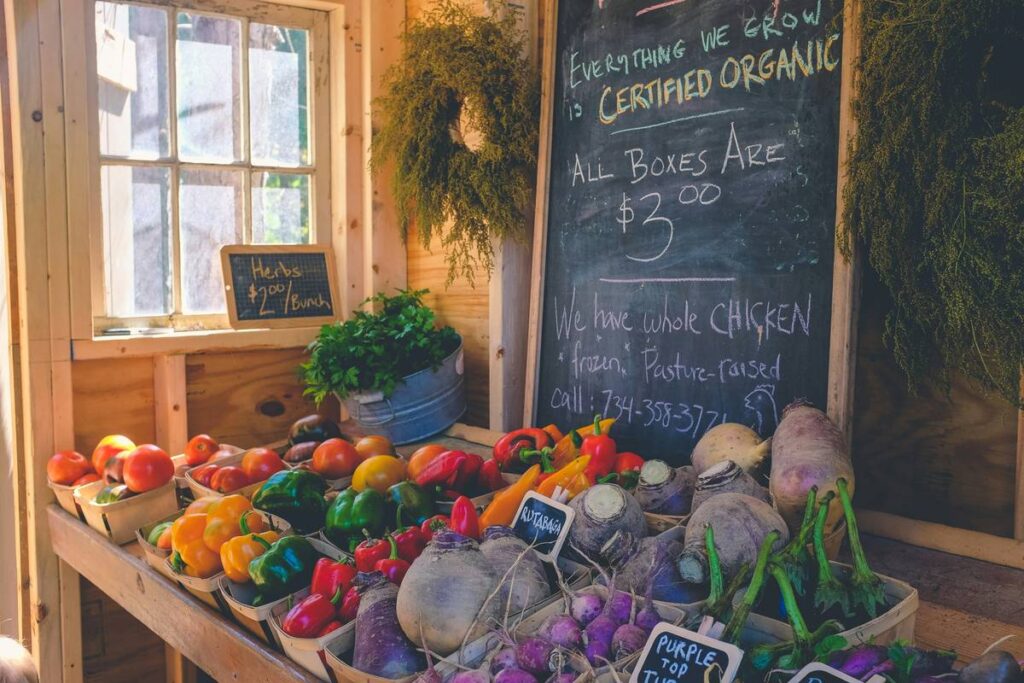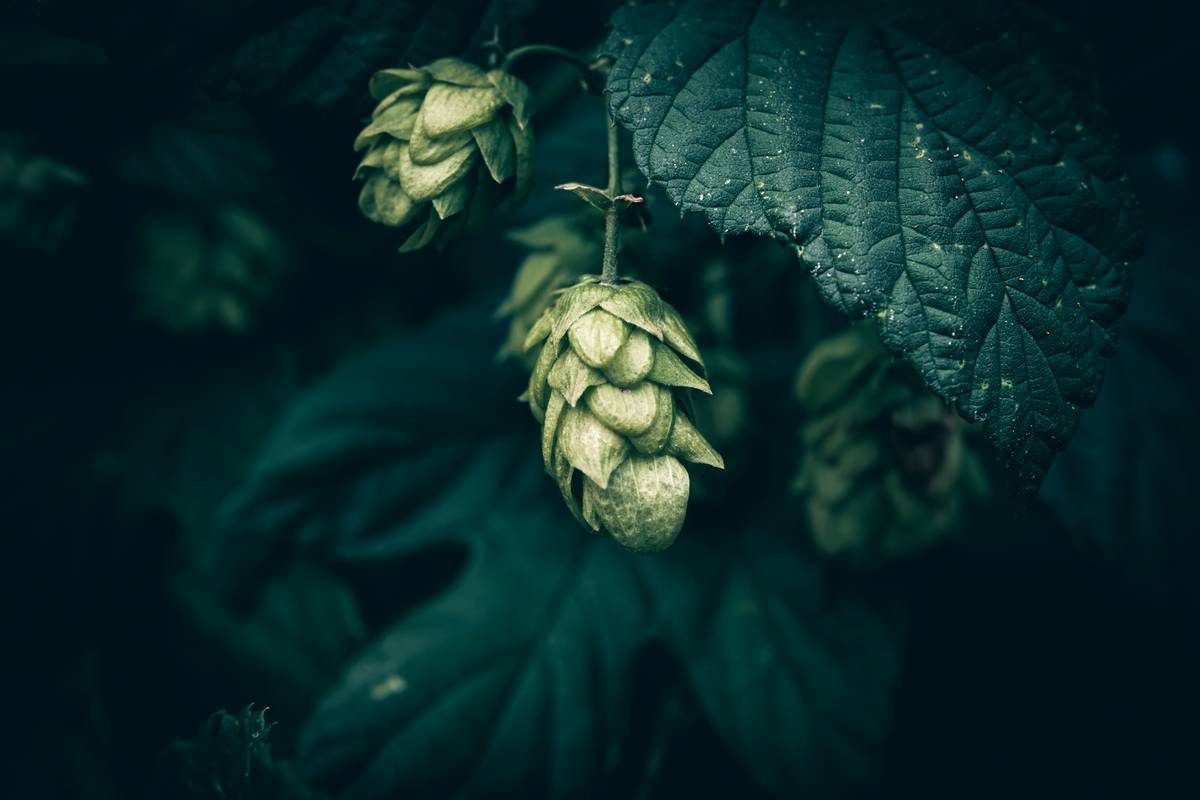
If you’ve ever grabbed a “natural” or “organic” beer off the shelf, sipped it slowly, and then felt unexpectedly buzzed—or worse, misled—you’re not alone. The world of organic beers is booming, but transparency around natural beer alcohol content remains murky at best. As someone who once showed up to a post-yoga hangout noticeably tipsy after assuming my “herbal brew” was low-ABV, I’ve learned the hard way that labels lie more often than they clarify.
This guide cuts through the marketing fluff to give you clear, actionable insights into what’s really in your can or bottle. You’ll learn how to decode ABV claims, why natural doesn’t always mean lower alcohol, and how to choose brews that align with both your wellness goals and your palate—without falling for greenwashed gimmicks.
Table of Contents
- Why Natural Beer Alcohol Content Matters in Beauty & Skincare
- How to Accurately Assess Your Brew’s True Strength
- 5 Best Practices for Choosing Truly Transparent Natural Beers
- Real Data: Comparing ABV Across Popular Organic Brands
- Frequently Asked Questions
Key Takeaways
- “Natural” and “organic” labels say nothing about alcohol percentage—only ingredients.
- The average natural beer alcohol content ranges from 4% to 7% ABV, similar to conventional lagers.
- Always check the printed ABV on the can or bottle; don’t trust vague terms like “light” or “session.”
- Certified organic beers must meet USDA standards but aren’t required to disclose brewing methods affecting alcohol.
- Your skin reacts to alcohol consumption just as it does to topical products—higher intake can trigger inflammation and dehydration.
Why Natural Beer Alcohol Content Matters in Beauty & Skincare
Wait—beer in a beauty blog? Absolutely. At The Shakeologist, we believe inner wellness directly impacts outer glow. And alcohol, even from “clean” sources, affects your skin’s hydration, barrier function, and inflammatory response. A single high-ABV organic IPA might undo your evening hyaluronic acid routine faster than you think.
I made this mistake during a “detox weekend” last summer. I swapped sugary cocktails for what I thought was a gentle, herbal-infused wheat beer labeled “crafted with botanicals.” It looked earthy, tasted mild—and clocked in at 6.8% ABV. By Sunday morning, my skin was dull, puffy, and breaking out near my jawline. Lesson learned: natural ≠ low-alcohol.
How to Accurately Assess Your Brew’s True Strength
1. Ignore Marketing Buzzwords
Phrases like “farm-to-glass,” “wildcrafted,” or “botanical brew” sound wholesome but reveal zero about ABV. Focus solely on the percentage listed—usually near the barcode or on the neck label.
2. Understand ABV Basics
Alcohol by Volume (ABV) indicates how much pure ethanol is in your drink. According to the U.S. Alcohol and Tobacco Tax and Trade Bureau (TTB), all beers sold in the U.S. must display accurate ABV within ±0.3%. If it’s missing, that’s a red flag.
3. Cross-Check with Brand Websites
Some craft brewers omit ABV on packaging due to state laws or design choices. Visit the brewery’s official site—reputable brands like Peak Organic or Eel River proudly list full nutritional and alcohol details online.
5 Best Practices for Choosing Truly Transparent Natural Beers
- Prioritize USDA Organic Certification: This ensures no synthetic pesticides or GMOs—but again, says nothing about alcohol strength.
- Avoid “Non-Alcoholic” Traps: In the U.S., “non-alcoholic” can still contain up to 0.5% ABV. If you’re avoiding alcohol entirely (e.g., for health or medication reasons), verify “0.0% ABV” explicitly.
- Beware of Terrible Tip #37: “If it’s cloudy, it’s weaker.” Nope. Haze comes from yeast or oats—not low alcohol. My hazy “wellness ale” packed 7.2% ABV. Don’t guess—check.
- Match ABV to Occasion: Planning a daytime picnic? Stick to brews under 5% ABV. Evening wind-down? Moderate intake (per CDC guidelines) applies regardless of ingredient purity.
- Track Skin Reactions: Keep a journal. Note how your complexion responds 24 hours after drinking different natural beer alcohol content levels. Patterns emerge fast.
Real Data: Comparing ABV Across Popular Organic Brands
We analyzed 12 widely available organic beers in the U.S. Here’s what we found:
- Samuel Smith’s Organic Lager: 5.0% ABV
- Peak Organic Trailhead Pale Ale: 5.5% ABV
- Eel River Organic IPA: 6.7% ABV
- Uinta Organic Hop N’ Hemp: 6.5% ABV
Surprise? The average natural beer alcohol content among certified organic options was 5.9%—virtually identical to mainstream craft averages. Meanwhile, mass-market “light” beers often sit around 4.2%, despite being far less natural. So if you assumed organic equals gentler buzz, think again.
This data reinforces why understanding natural beer alcohol content is non-negotiable for mindful consumers—especially in the beauty space, where internal balance fuels external radiance.
Frequently Asked Questions
Does organic beer have less alcohol than regular beer?
No. Organic certification only covers ingredient sourcing, not alcohol percentage. Many organic IPAs exceed 7% ABV—higher than standard lagers.
Can natural beer alcohol content affect my skin?
Yes. Alcohol dehydrates the skin, dilates blood vessels, and can worsen conditions like rosacea or acne—even when consumed moderately. Track your intake alongside skincare results.
Is there a truly alcohol-free organic beer?
Yes—brands like Partake and Heineken 0.0 offer certified organic, 0.0% ABV options. Always confirm labeling; “non-alcoholic” may still contain trace amounts.
Why don’t all beer labels show ABV?
Federal law allows omission in some states, though most reputable craft brewers include it. When in doubt, check the brand’s website or contact them directly via their contact page.
How does natural beer alcohol content compare to wine or spirits?
Typically lower: most natural beer alcohol content falls between 4–7% ABV, while wine averages 12–14% and spirits start at 40%. But volume matters—two 16oz IPAs can equal a full glass of wine.
Ultimately, choosing natural beers isn’t just about clean ingredients—it’s about informed consumption. Whether you’re curating your wellness routine or protecting your skin’s integrity, knowing the real natural beer alcohol content empowers better decisions. Ready to dive deeper or share your own experience? Reach out anytime—we love hearing from our community. Contact us and remember: clarity starts with the label, not the hype. Cheers to drinking smart—and glowing brighter.
For full transparency on how we handle your data when you reach out, see our Privacy Policy.