You love craft beer—but your skin breaks out after a night out. Your conscience stings knowing most brews hide pesticides, GMOs, or unsustainable practices. And “natural” labels? Often meaningless marketing fluff. The solution isn’t abstinence—it’s switching to truly organic beer brands that marry flavor, ethics, and ingredient integrity without compromise.
Why Most Beers Fail the Clean Beauty Test
Beer isn’t just hops and barley. Conventional brewing often uses genetically modified corn syrup as a cheap fermentable. Hops are doused in neonicotinoids—systemic insecticides tied to bee collapse. Barley fields run on synthetic fertilizers that leach into waterways. None of this shows up on the label. And when you drink it, those residues enter your system—potentially triggering inflammation or hormonal disruption. Your skin mirrors what you consume. A pint shouldn’t come with a hidden toxin tab.
Your Step-by-Step Guide to Choosing Authentic Organic Beer Brands
Not all “organic” claims are equal. Third-party certification is non-negotiable. Look for USDA Organic or EU Organic seals—these ban GMOs, synthetic pesticides, and sewage sludge fertilizers outright. But go deeper: sustainability matters just as much as purity.
Ingredient Transparency Beats Buzzwords
If a brand won’t list its grain sources or hop farms online, walk away. Real organic brewers publish their supply chains like proud farmers—not secretive corporations.
Water Stewardship Is Non-Negotiable
Brewing uses 4–6 gallons of water per gallon of beer. Leading organic beer brands recycle wastewater onsite or partner with watershed restoration groups. Ask them how much they use—and what they do with it.
Packaging Footprint Matters More Than You Think
Aluminum cans beat glass bottles in carbon emissions by 40% during transport. But if the can liner contains BPA—a known endocrine disruptor—it negates the organic gain. Seek BPA-free linings explicitly.
| Brand Certification | USDA Organic? | BPA-Free Cans? | Water Reuse Program? | Carbon Neutral? |
|---|---|---|---|---|
| Patzig Organic Lager | Yes | Yes | Yes (70% reuse) | No |
| Epic Brewing Co. (Organic Series) | Yes | Yes | No | Yes (offset) |
| Green’s Gluten-Free Amber Ale | EU Organic only | Undisclosed | No | No |
| Uinta Brewing Co. Organic Hop N’ Juicy | Yes | Yes | Yes (on-site treatment) | Yes (solar-powered) |
The Unspoken Truth About “Craft” vs. Truly Organic
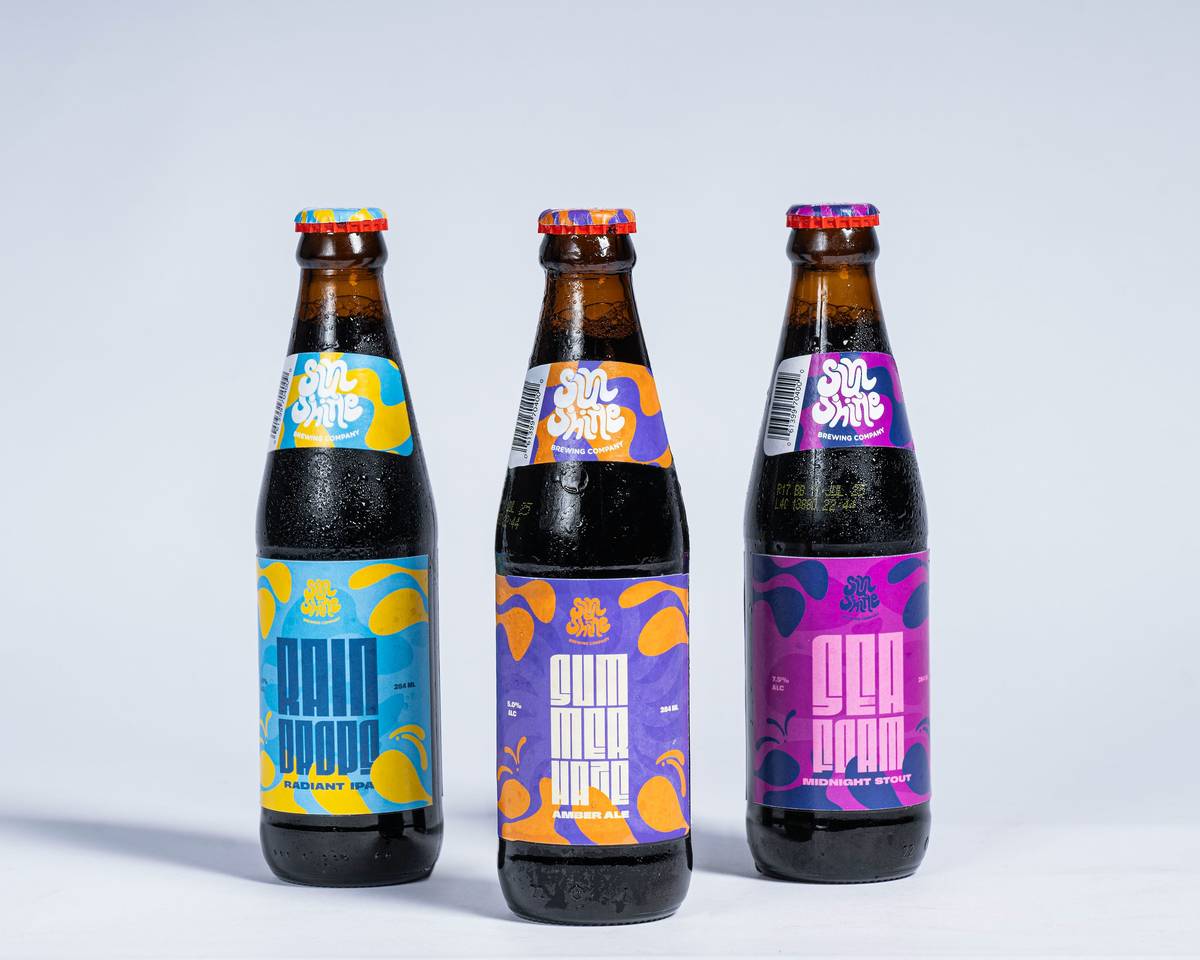
Here’s what distributors won’t tell you: many small “craft” breweries buy malt from bulk commodity suppliers who blend organic and conventional grains—then slap an “organically brewed” sticker on the tap handle. It’s legal loophole exploitation. True integrity starts with traceable, segregated organic supply chains. I once audited a brewery claiming 100% organic status—only to find their “specialty malt” was 30% conventional caramel malt. They pulled the label within a week. Demand proof, not promises.
Frequently Asked Questions
Are organic beer brands actually better for your skin?
Possibly. By eliminating pesticide residues and endocrine disruptors like BPA from linings, you reduce systemic inflammation—one root cause of adult acne and dullness.
Do organic beers taste different?
Often cleaner and crisper. Without chemical additives masking off-notes, the grain and hop character shines—especially in lagers and pale ales.
Is organic beer more expensive?
Typically 10–25% higher. But when you factor in environmental restoration costs and health externalities, it’s a fair price for true sustainability.